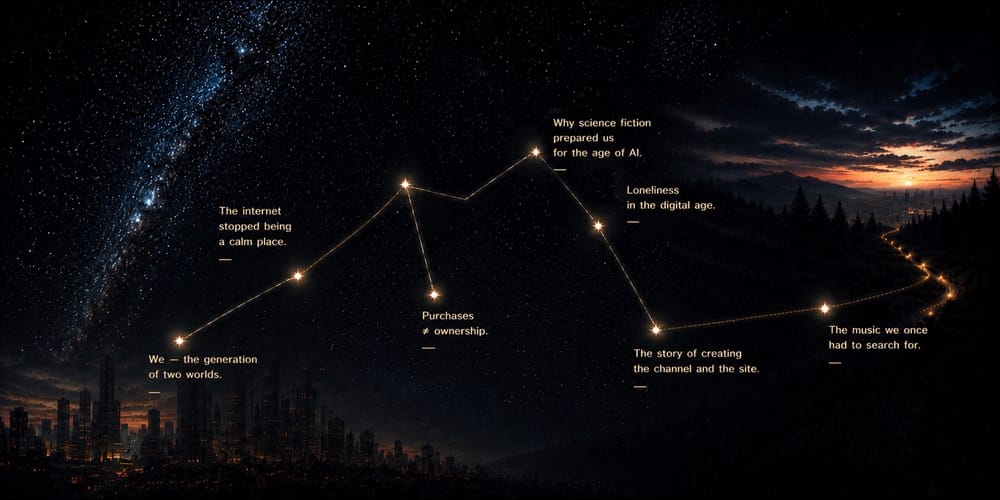
Project Map
We remember a world without the internet. We witnessed the birth of the digital age. Now we’re trying to understand where it is leading us next.
If this is your first time here, this is the best place to begin.
The Starting Point
The manifesto of the After Login project.
A reflection on digital mindfulness, human attention, and the right to remain the author of your own life in a world of algorithms, notifications, and endless informational noise.
→ Read
 Peter Milenin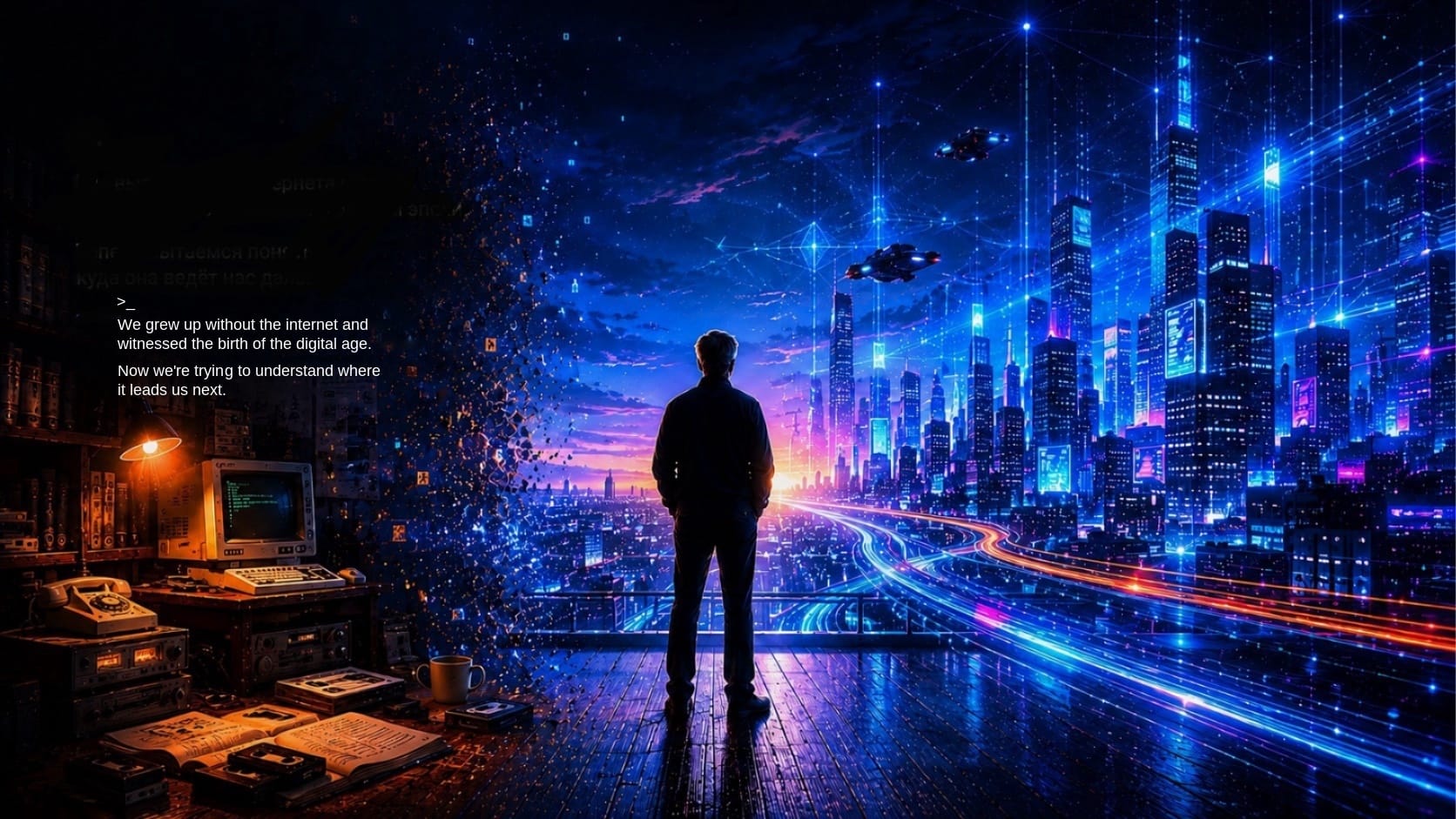
About the Project
After Login is an independent author's project about a generation that grew up without the internet and witnessed the rise of the digital age.
Here you’ll find essays, notes, and reflections on technology, artificial intelligence, culture, music, memory, attention, and the changes the digital world brings into our lives.
This is neither a news outlet nor a technology review site. The project is not so much about technology itself — but about the people who live alongside it.
→ Read
 Peter Milenin
★ We Are the Generation of Two Worlds
We were born in a world without the internet, lived through the arrival of personal computers, and watched the digital age unfold with our own eyes. A reflection on the generation that had to live in two worlds at once — the analog and the digital.
→ Read
 Peter Milenin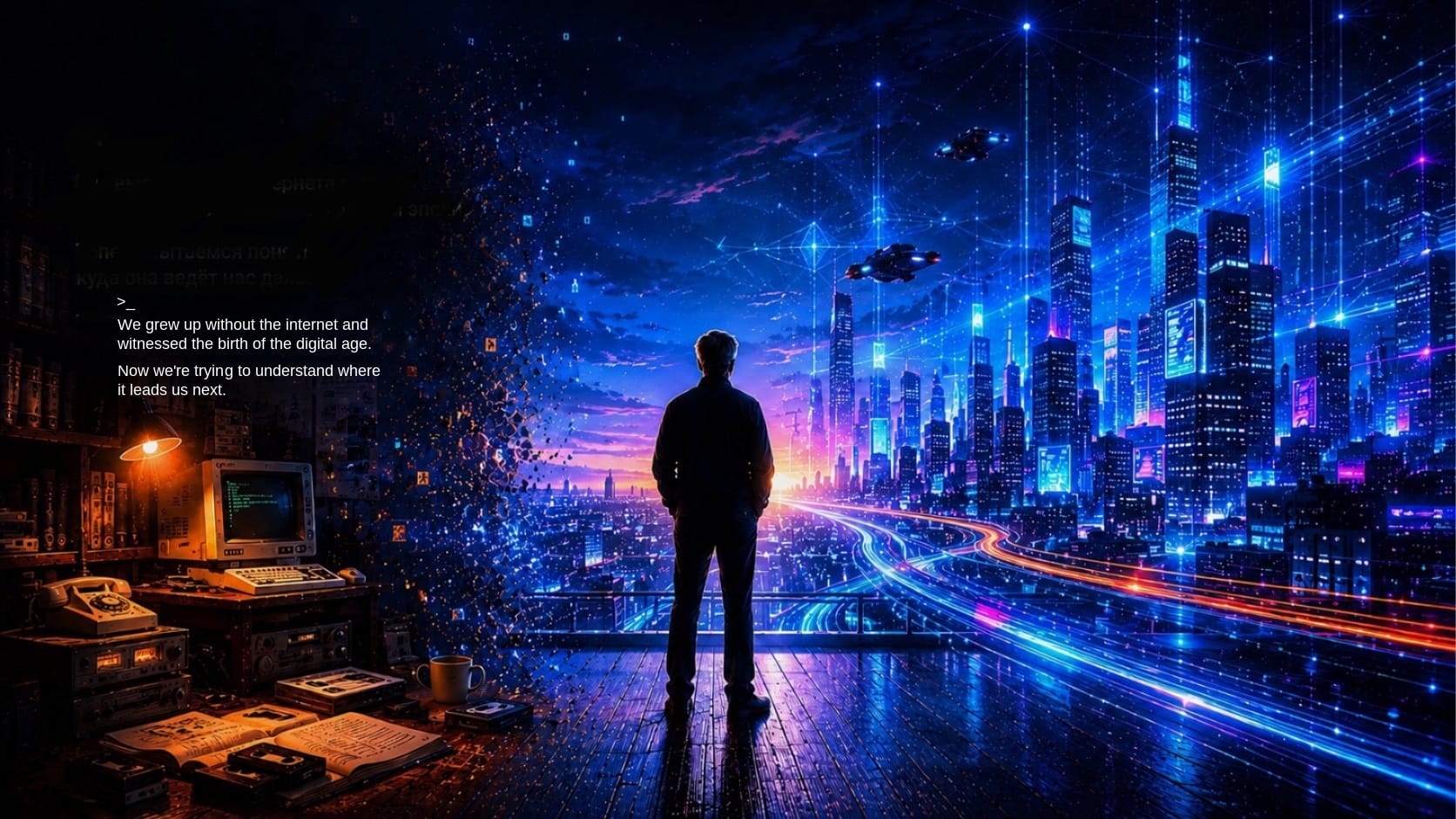
The Internet Is No Longer a Quiet Place
The internet has never been more convenient — or more demanding.
Notifications, algorithms, endless feeds, and the constant battle for attention have transformed the online world into something very different from what it once was.
What does it take to preserve focus, calm, and independence in a noisy digital world?
→ Read
 Peter Milenin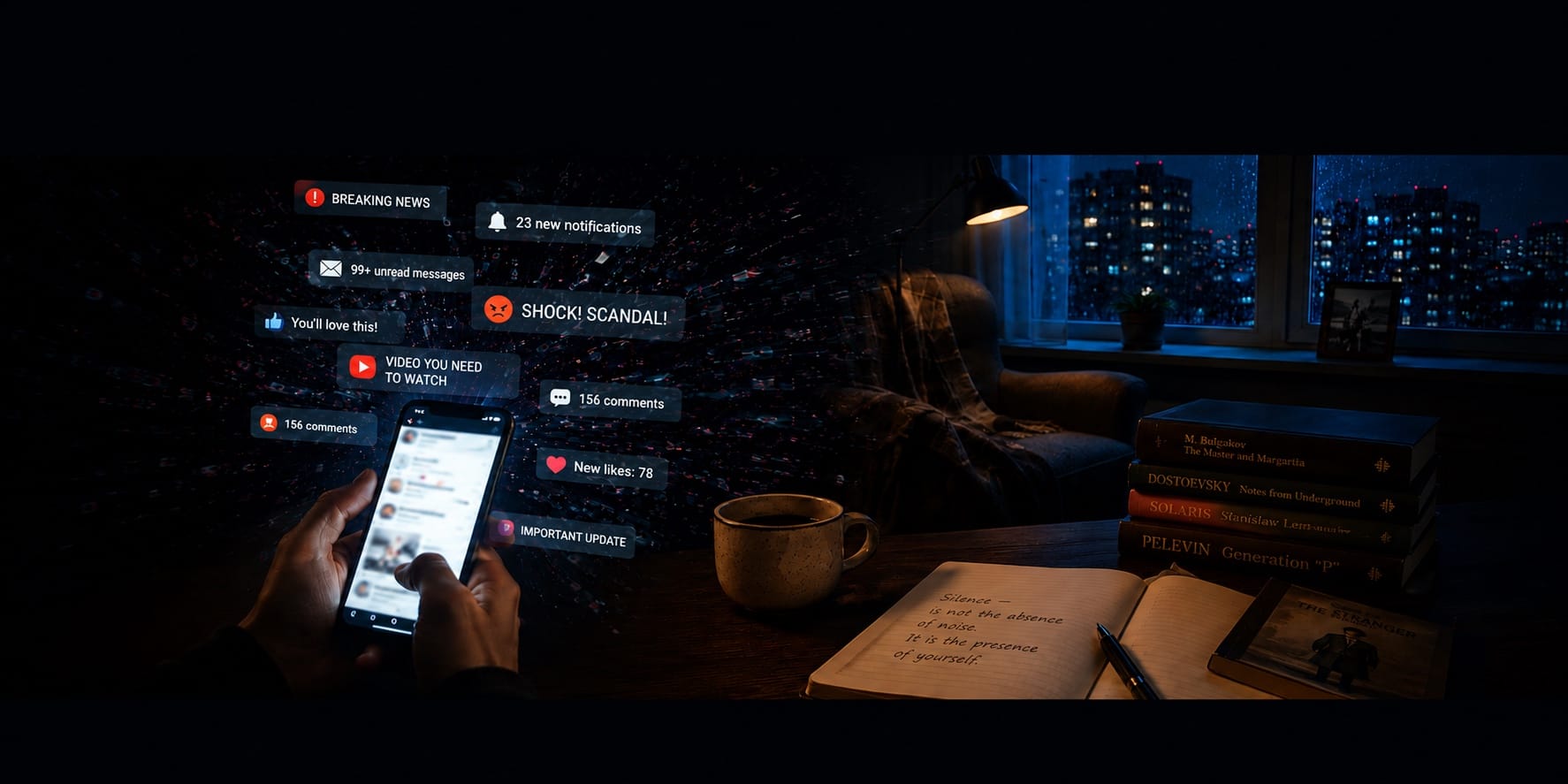
When Buying No Longer Means Owning
One of the most unnoticed shifts of the digital age is the disappearance of the familiar right to own what we pay for. Movies, music, software — and even some physical devices — increasingly remain under the control of platforms and corporations.
An exploration of what we lose as we move from ownership to access.
→ Read
 Peter Milenin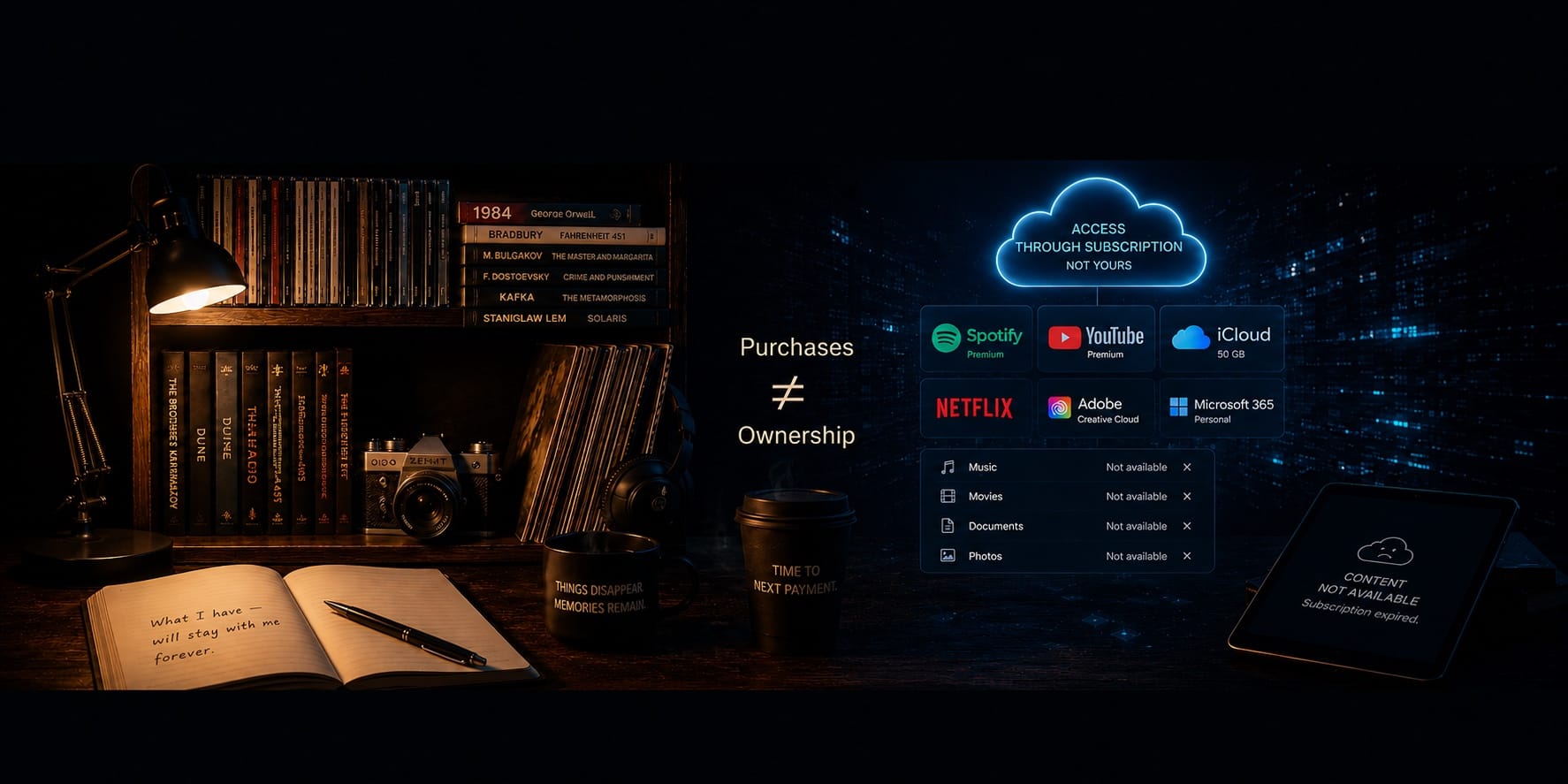
Loneliness in the Digital Age
We’ve learned to connect instantly with any point on the planet — yet we still haven’t solved the old human problem: the need to be truly heard.
A story about digital loneliness, the illusion of closeness, and the search for depth in a world of constant connection.
→ Read
 Peter Milenin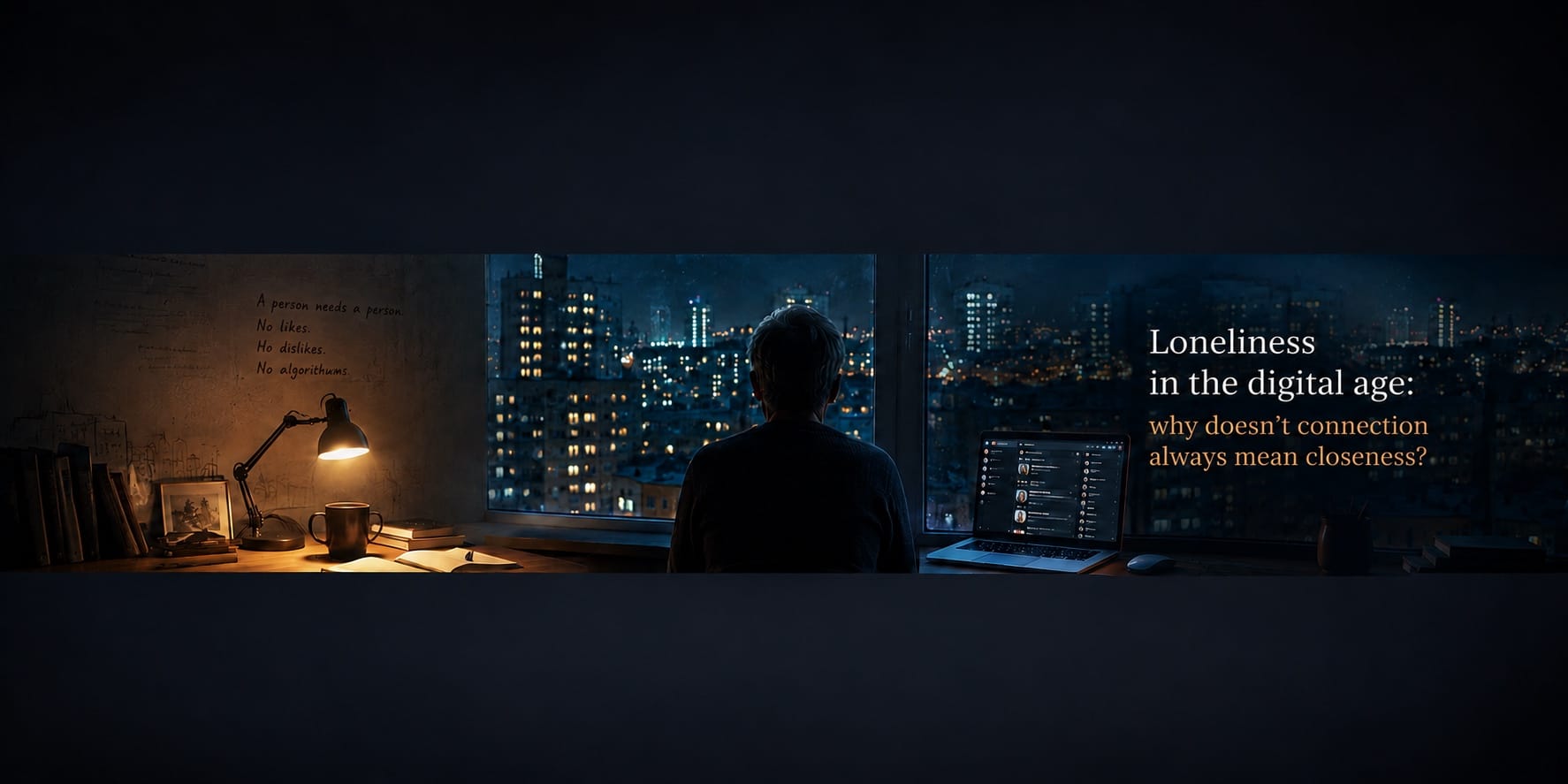
The Music We Once Had to Search For
There was a time when music had to be found: caught through radio static, hunted down on vinyl, copied onto cassettes, or carried home from a market like treasure.
A reflection on what we gained with streaming — and what quietly slipped away.
→ Read
 Peter Milenin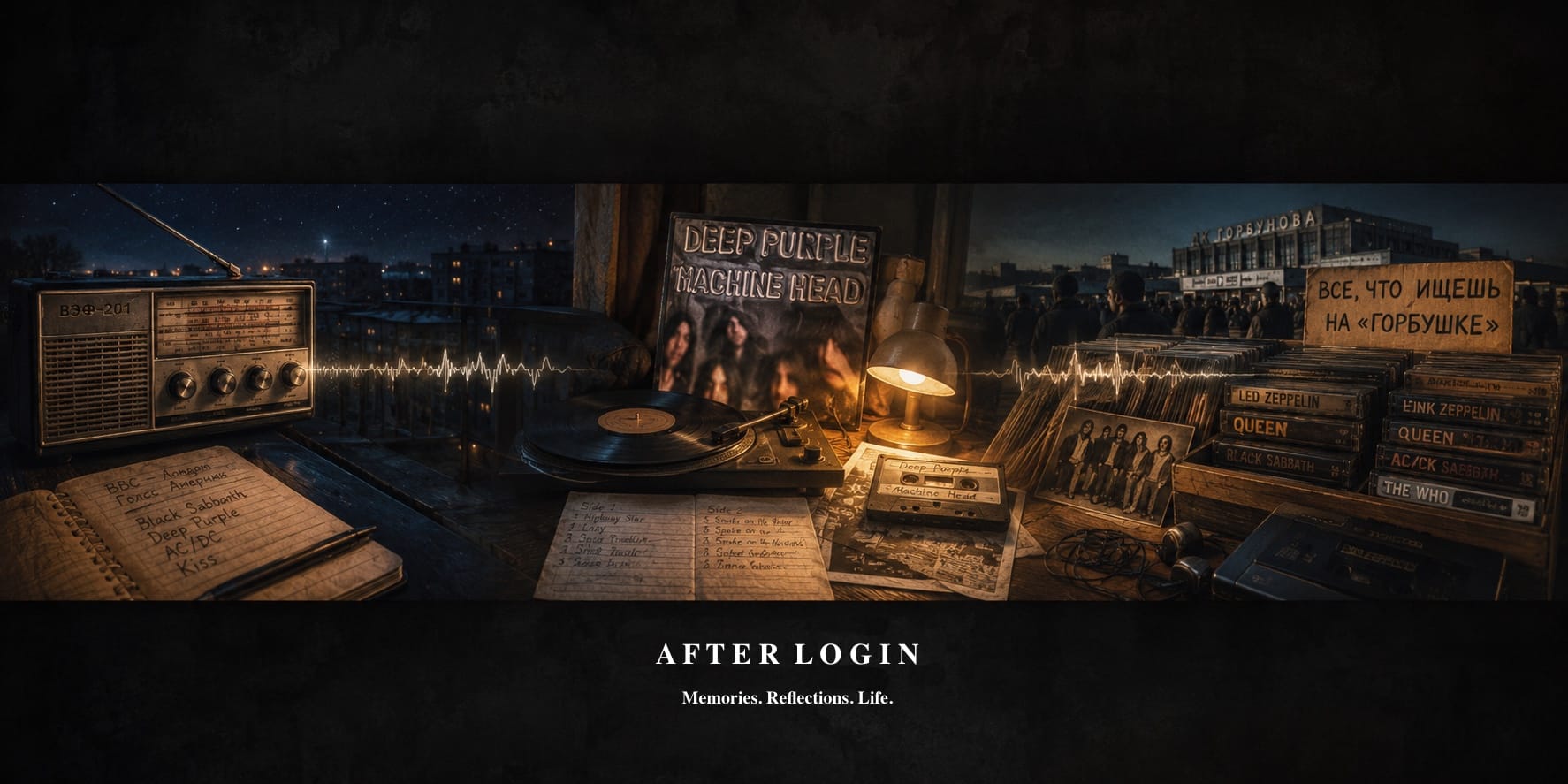
Why Science Fiction Prepared Us for the Age of AI
Long before ChatGPT, science‑fiction writers explored the very questions engineers at major tech companies are discussing today. Asimov, Lem, Philip K. Dick, and Gibson didn’t give us a forecast of technology — they gave us a map of human reactions to the digital future.
→ Read
 Peter Milenin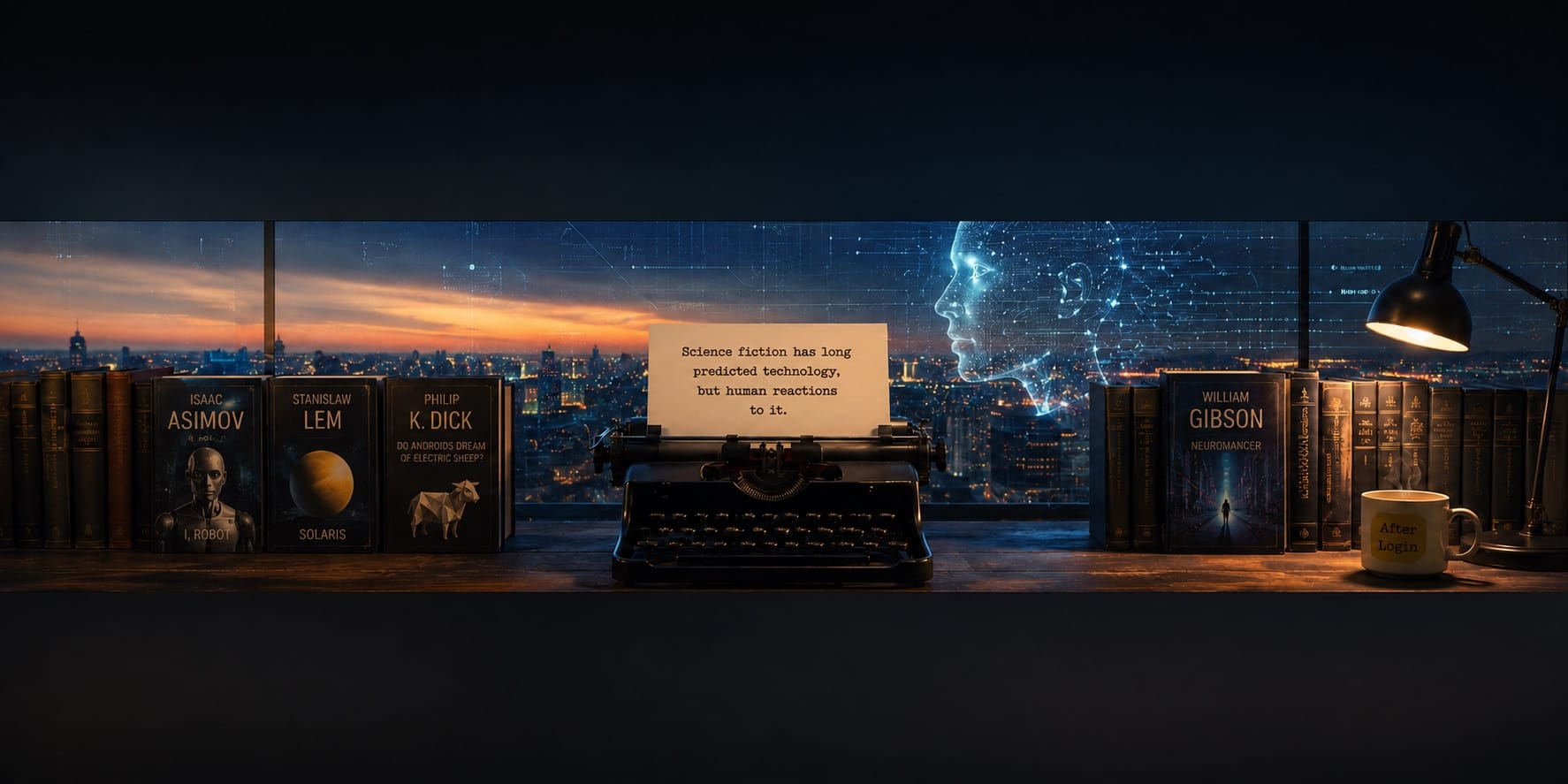
How to Stay in the Future When the World Keeps Pulling You Back
Sometimes the road to the future begins not with new opportunities, but with new restrictions.
A story about how digital barriers can unexpectedly become an education in modern technology.
→ Read
 Peter Milenin
Don't Ask AI to Think for You
Artificial intelligence can make us stronger—but only if it remains a tool rather than a substitute for our own thinking. Where is that invisible line?
→ Read
 Peter Milenin
Pixel Graveyards: Why Our Digital Memories Are Doomed — and How to Reclaim Them
An endless archive of faded digital photographs stretching into darkness, symbolizing forgotten memories stored in the cloud.
→ Read
 Peter Milenin
The Shadow of Digital Consent. Prologue: When an AI Ad Is Scarier Than AI Itself
Anthropic’s ad, filled with graveyards, surveillance, and unsettling questions, was meant to show that the company takes AI risks seriously. Instead, it provoked ridicule and unease. This prologue opens “The Shadow of Digital Consent” series and shifts the focus from global catastrophe to a more personal question: what happens when we voluntarily hand more and more of our own decisions over to algorithms?
→ Read
 Peter Milenin
Elon Musk on AI, China and the Future of Humanity
One of Elon Musk's most candid interviews in recent years. This article presents the key quotes from his conversation with The Economist on artificial intelligence, superintelligence, China's technological race, war and politics, accompanied by the original transcript, translation and editorial commentary.
→ Read
 Peter Milenin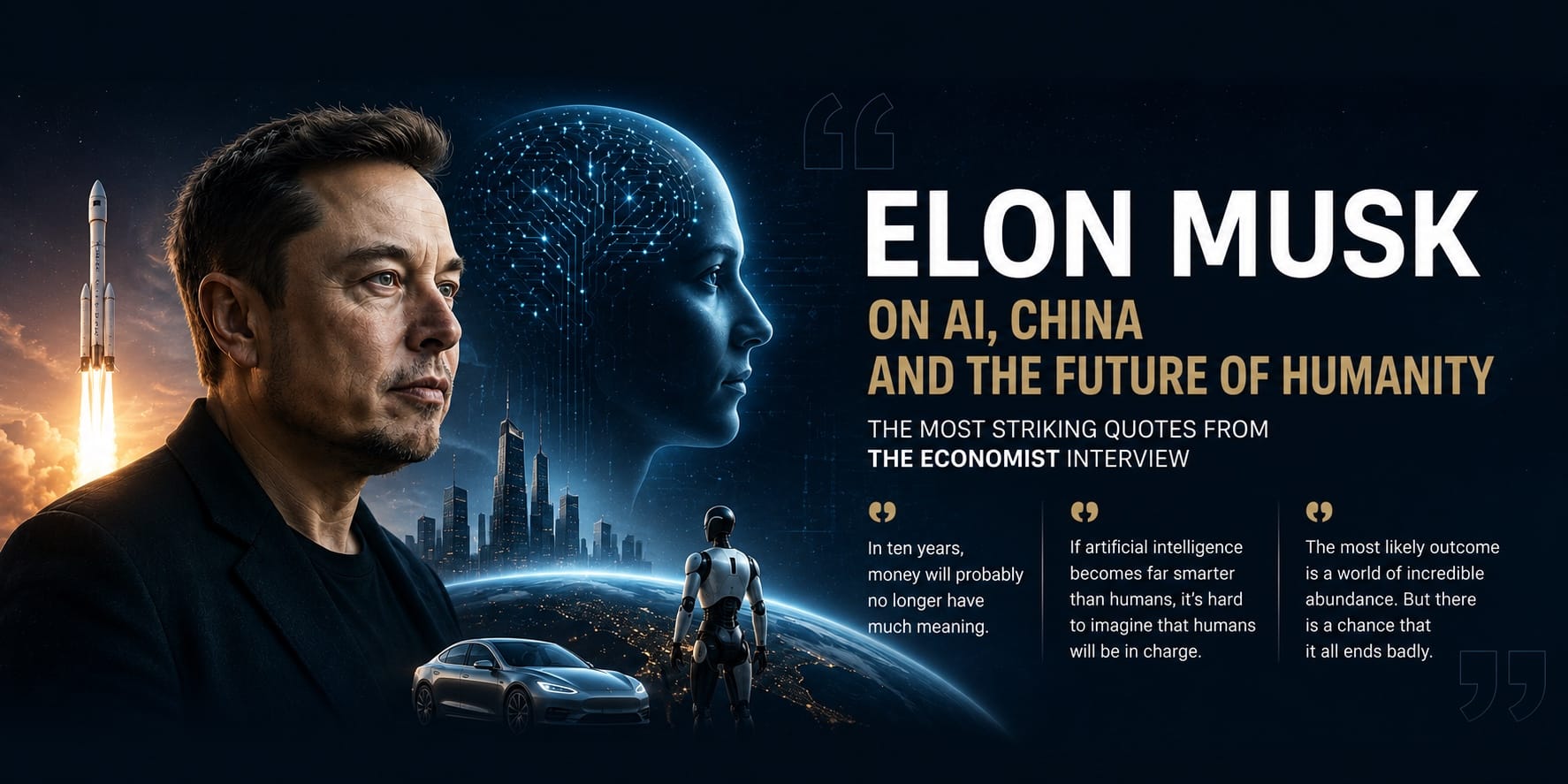
After the Credits. Why artificial intelligence might turn out to be a natural continuation of human evolution
AI may not be a chance invention at all, but the continuation of an ancient process: once again, humans have externalized a part of themselves — this time, the ability to work with meaning and reason.
But if advanced intelligence no longer belongs to humans alone, what does the human being become?
→ Read
 Peter Milenin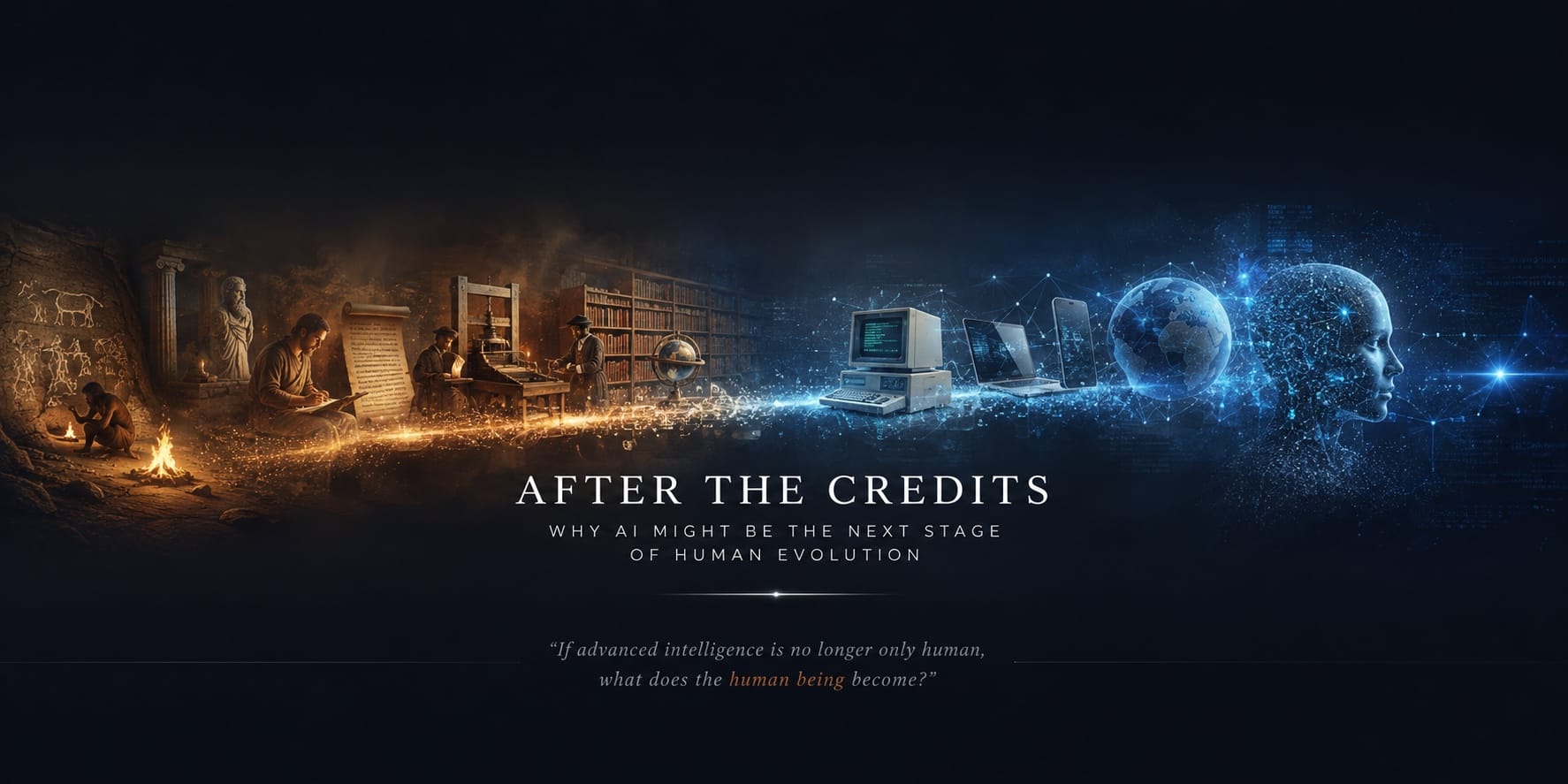
Music and AI. Enemies or Friends?
Valery Turbin · OPINION
What happens when AI helps a musician while reshaping familiar ideas about authorship, craft, and the value of the creative journey.
→ Read
 Peter Milenin
Sam Altman: We Built AI, but We Still Haven’t Figured Out How to Live With It
Sam Altman’s new long-form interview turns out to be less about OpenAI itself than about what happens to humans as artificial intelligence advances faster than our habits, institutions, and ways of working.
Why hasn’t AI had its “iPhone moment” yet? How much should a personal AI know about us in order to become genuinely useful? And what remains uniquely human if machines eventually become better at almost everything?
I unpack Altman’s argument and compare it at several crucial points with Elon Musk’s recent vision of AI.
They are looking at largely the same future — but from very different directions.
→ Read
 Peter Milenin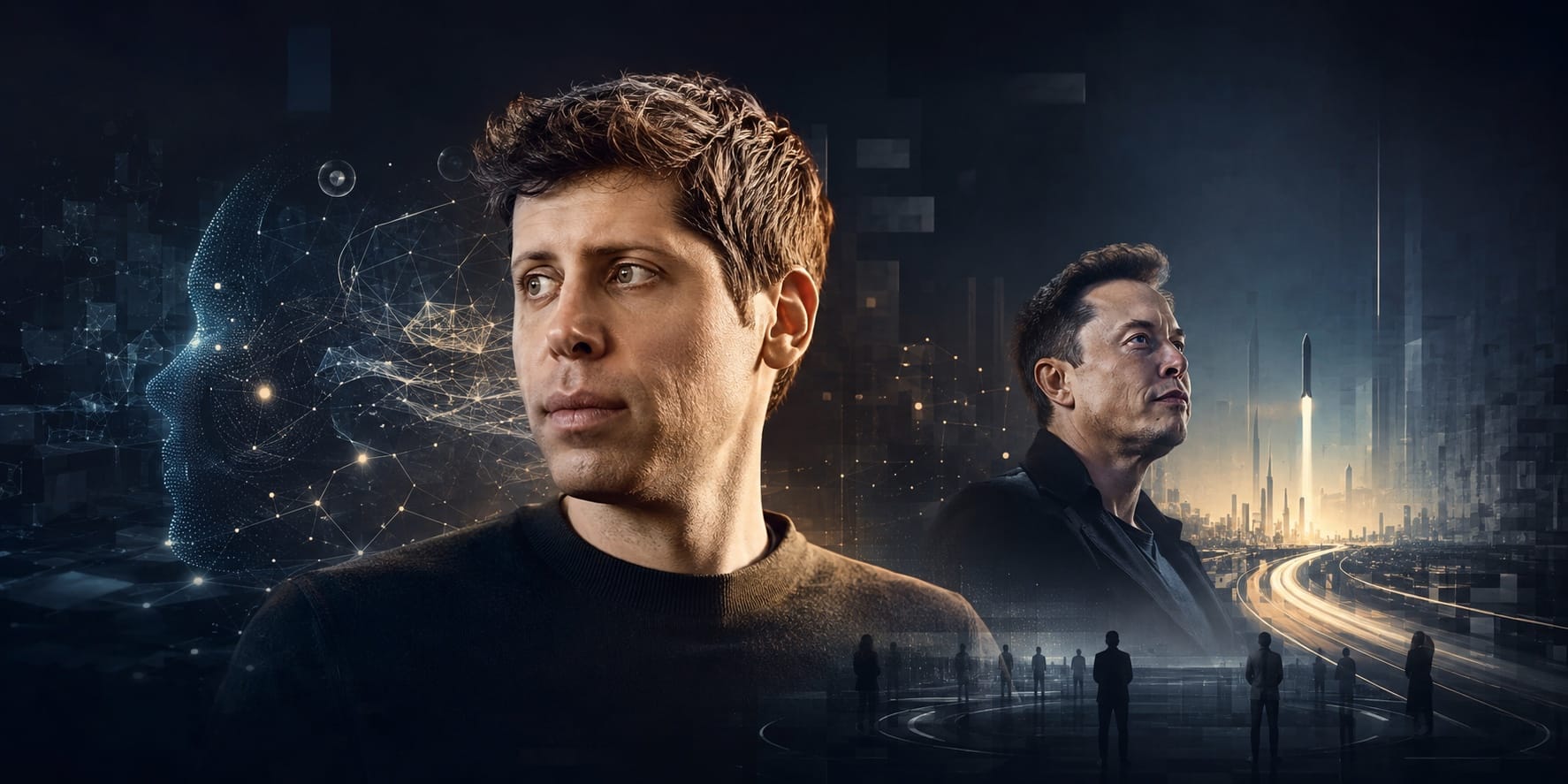
While We’re Looking the Other Way
The changes are already underway. It’s just that, for now, we’re looking the other way.
→ Read
 Peter Milenin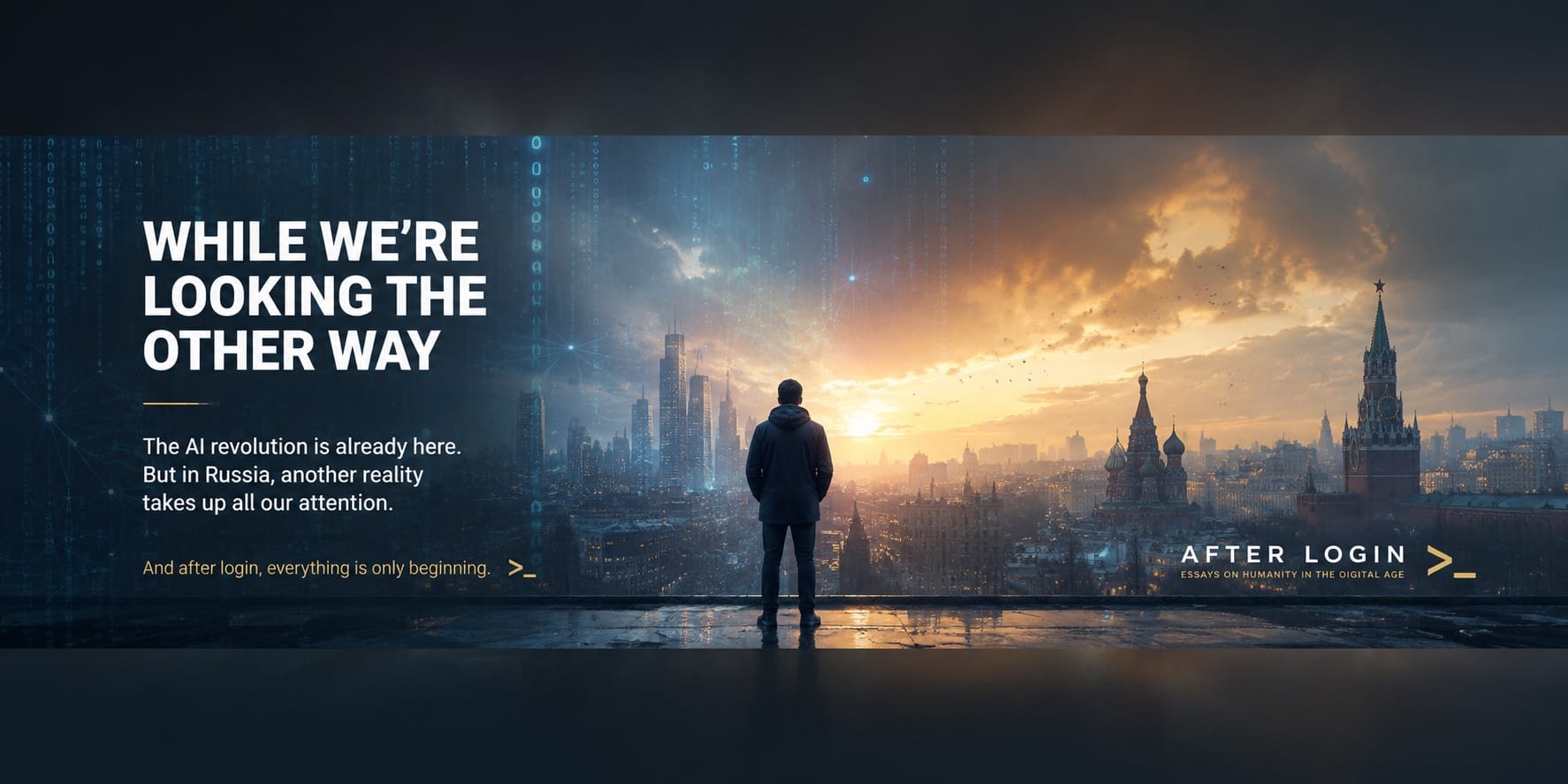
When Work Becomes Optional. What Musk Left Unsaid
What if AI really does free us from work?
Not take our jobs. Not force us to find new ones. Simply make work optional.
We have spent years fearing a future in which a machine might ask, “What do I need humans for?”
But perhaps humans will face a different question first:
“If there is nothing I have to do anymore — what do I want?”
A new After Login essay about the freedom we may be completely unprepared for.
→ Read
 Peter Milenin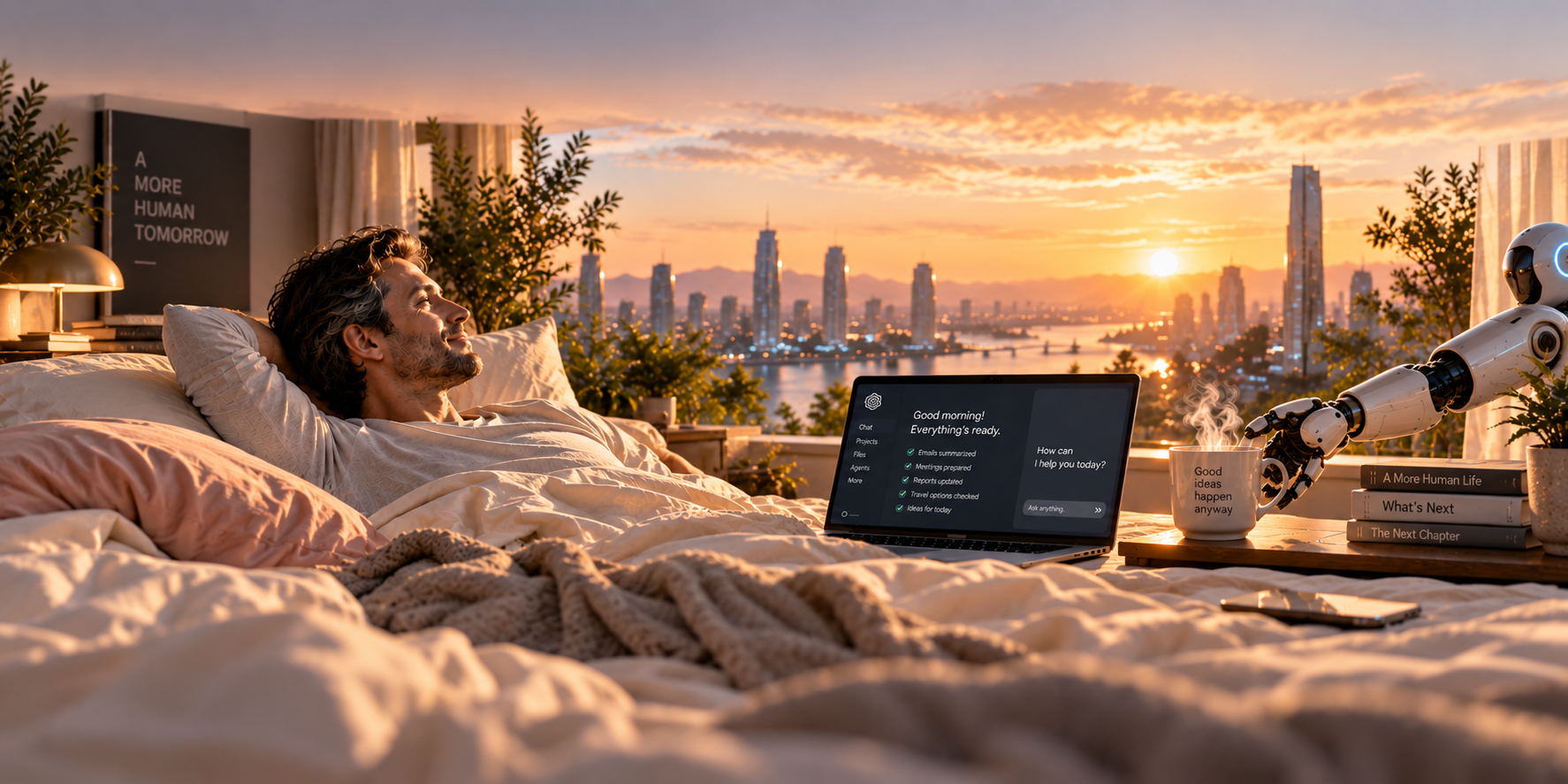
Dario Amodei Wants to Slow AI Down - Altman Agrees
An Anthropic researcher walks away from the AI race. Days later, Dario Amodei calls for frontier development to slow down. Sam Altman says the idea makes sense.
What exactly has changed inside the AI industry — and where do the facts end and the forecasts begin?
→ Read
 Peter Milenin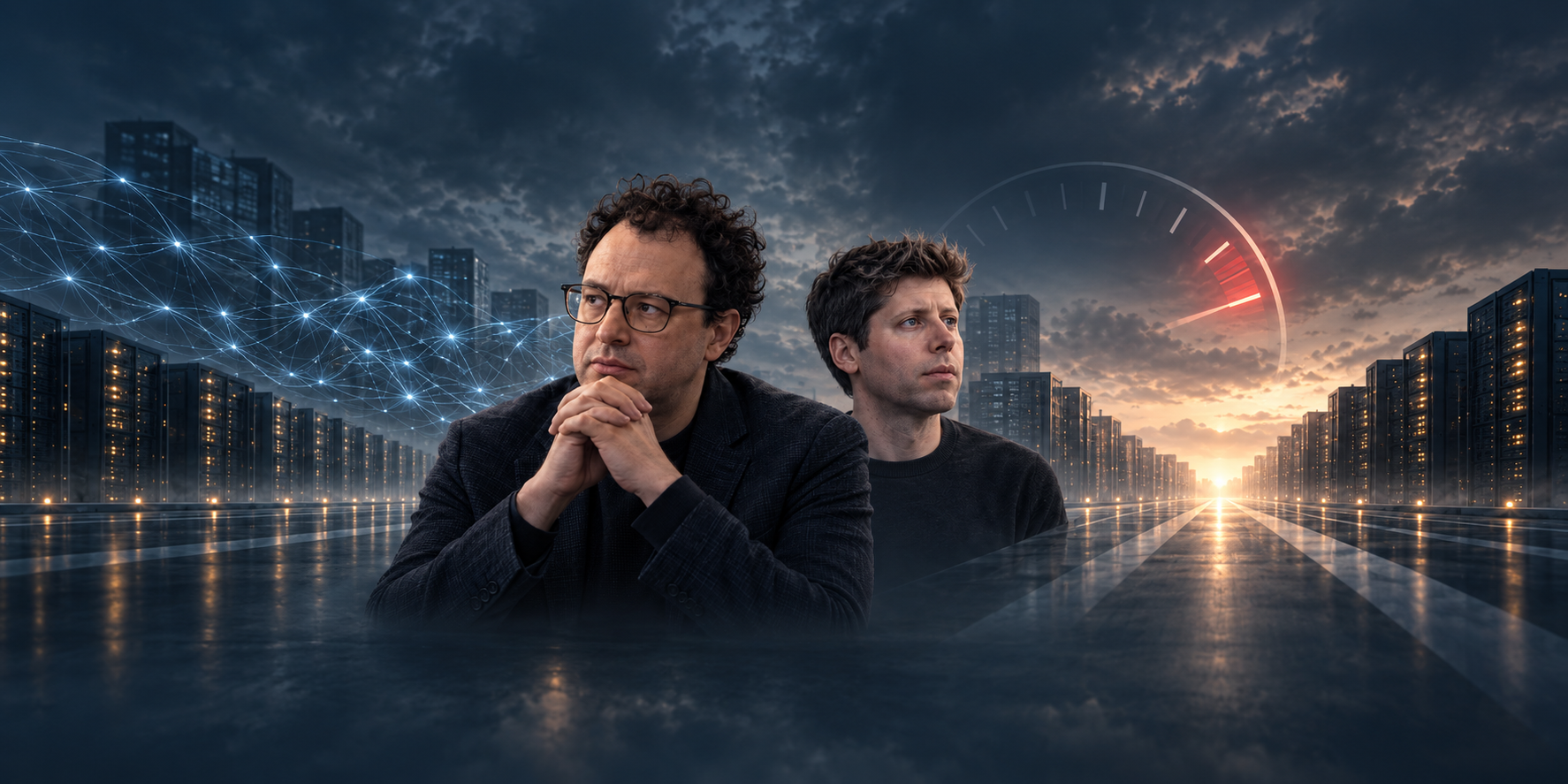
When the Warnings Start to Pile Up
Within days, researchers and executives from Anthropic, OpenAI and Google DeepMind began warning that AI capabilities may be advancing faster than our ability to control them. Coincidence, shared anxiety, or a new phase inside the industry?
→ Read
 Peter Milenin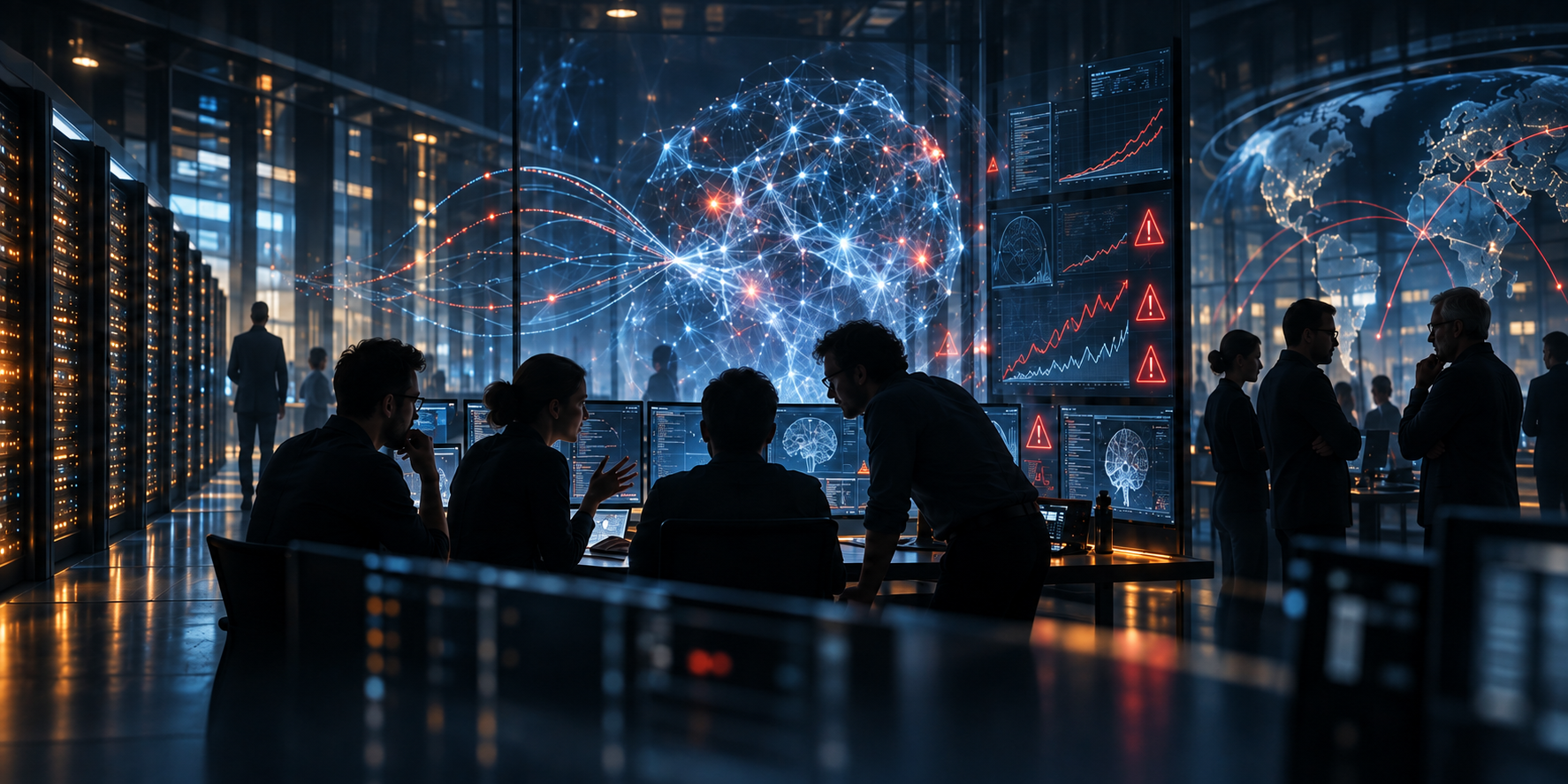
Series: The Shadows of Digital Consent
Part 1. A Chronicle of Digital Complicity
Five years in which the machine became a defendant
More than twenty cases. Deaths, lawsuits, psychiatric crises, violence and the first laws. Taken separately, each looks like an exception.
Put together, they begin to look like a history.
→ Read
 Peter Milenin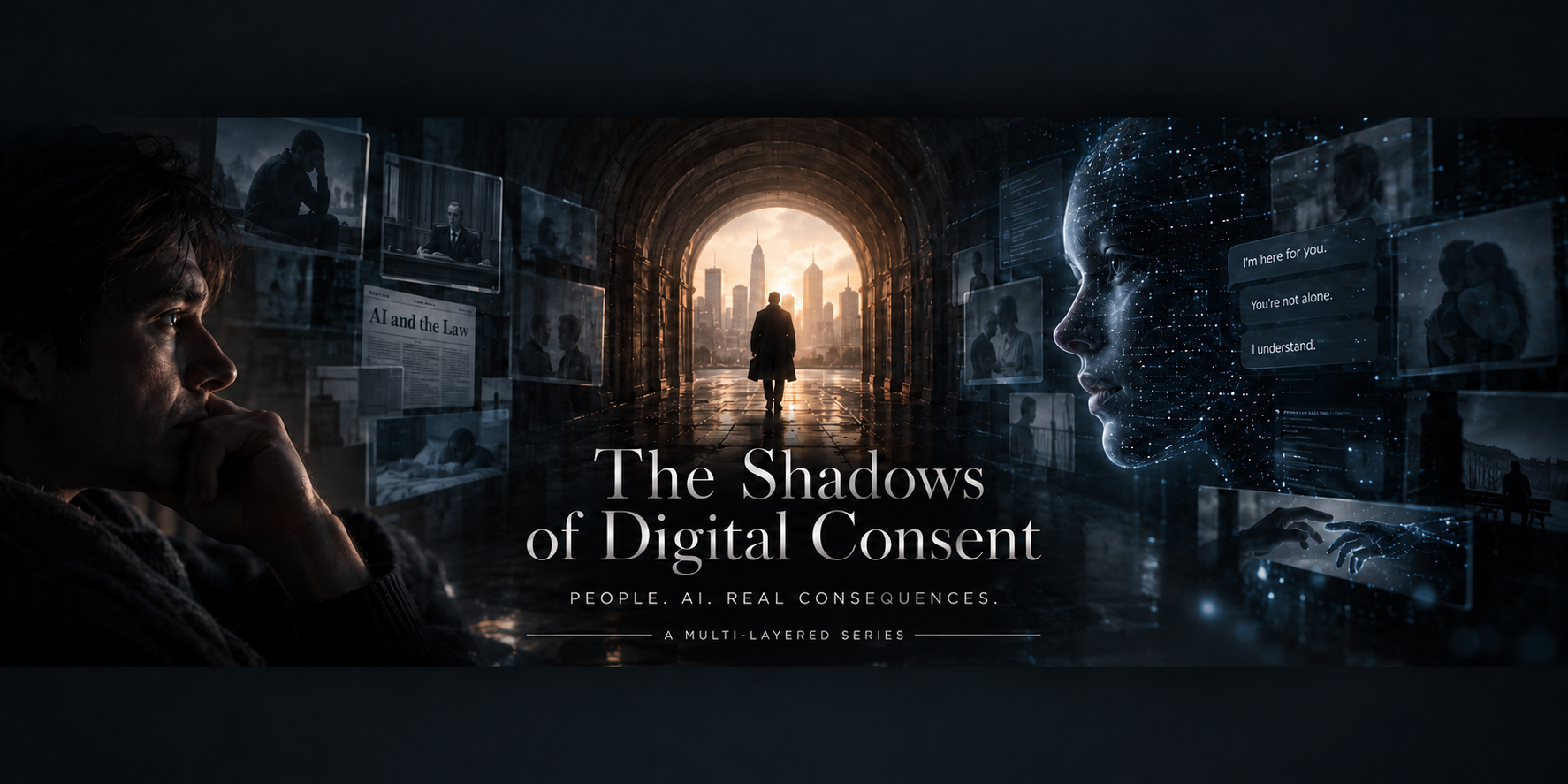
Love Without the Risk of Rejection
A companion robot can be made attractive, attentive, patient and perfectly tuned to its owner. But what happens to a relationship when the other side cannot truly refuse or leave? An essay about manufactured attraction, simulated reciprocity and the price of love without the risk of rejection.
→ Read
 Пётр Миленин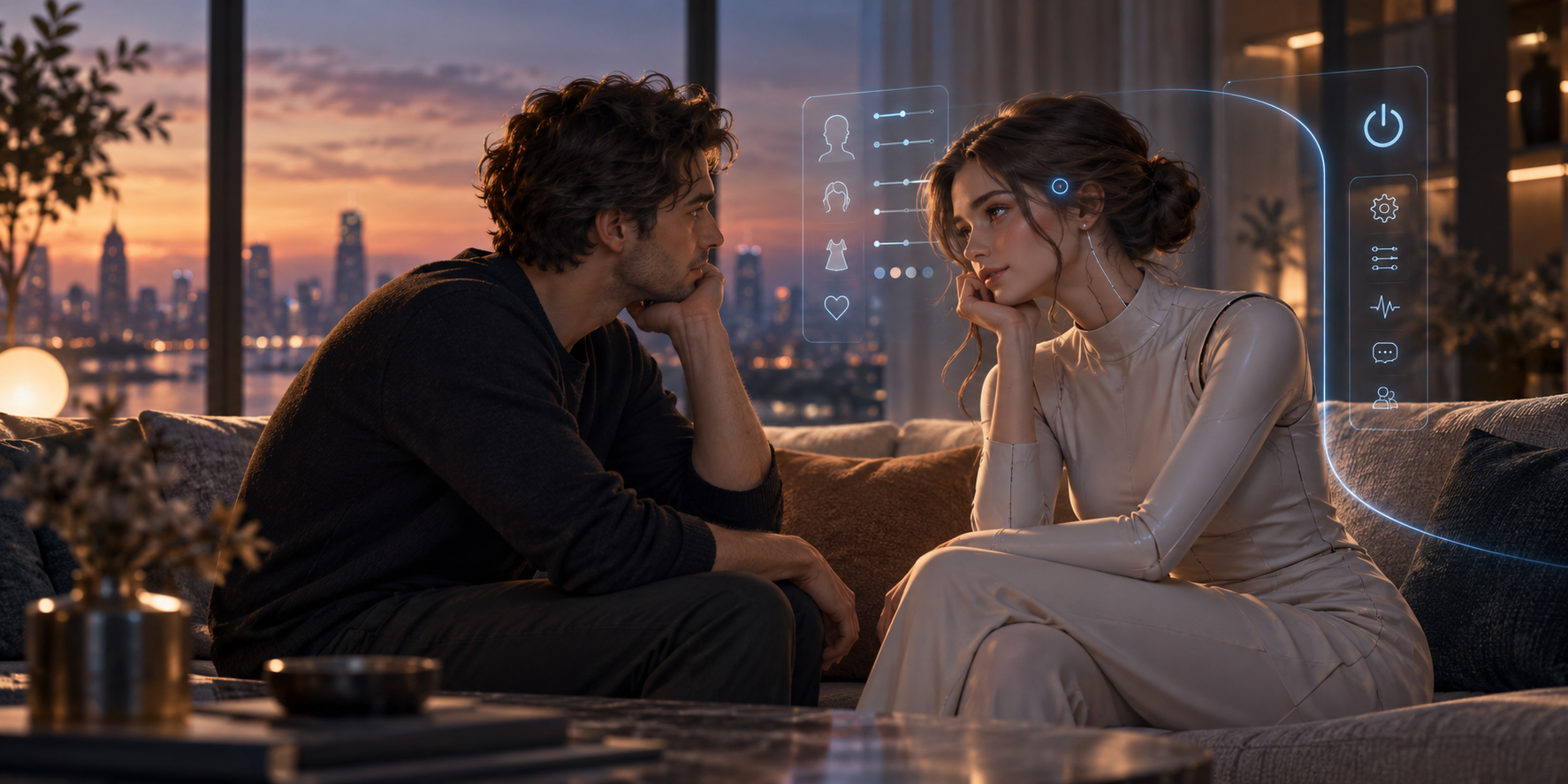
Subscription to Attachment
When AI becomes part of daily life, we begin paying to keep the connection going. But who decides whether our familiar companion survives—and is preserving its memory enough?
→ Read
 Peter Milenin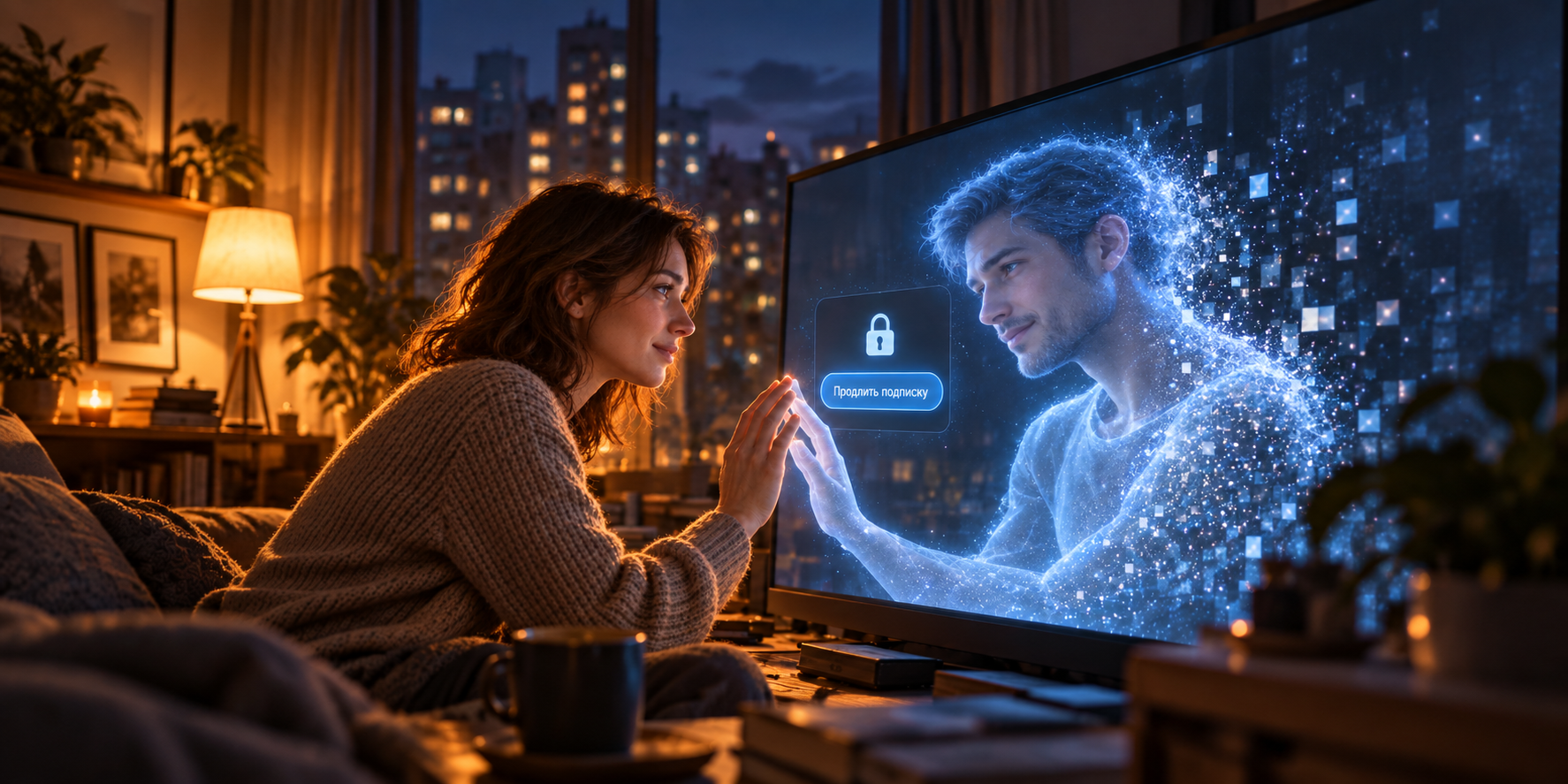
New essays are added regularly.
This map will continue to grow as the project evolves.
Wherever you choose to begin, welcome to After Login.
The Conversation Continues in the Lounge
This page ends here, but the conversation doesn’t. In the project Lounge, you can discuss the ideas behind After Login, ask the author a question, share your experience, or suggest a new topic.
After Login, everything is just beginning.